Carbon Monoxide Safety for Gas Furnaces in Clarksville, TN
Carbon monoxide is odorless and colorless, and a gas furnace makes a small amount every time it runs. Normally it goes straight up the flue. Our safety check makes sure it still does.
Serving Clarksville & Montgomery County · Mon–Sat + 24/7 Emergency
Safety First
A Serious Risk With a Straightforward Defense
Yes, any fuel-burning furnace can produce carbon monoxide. In a healthy system, CO forms in tiny amounts inside the combustion chamber and exits through the flue. It becomes dangerous when something interrupts that path: a cracked heat exchanger, a blocked or corroded vent, or a furnace starved of combustion air. The defense is equally straightforward: working CO detectors in the right places, and a professional combustion safety check, especially on older equipment.
Clarksville gives us a few specific reasons to take this seriously. Historic homes in Downtown Clarksville still vent through original chimneys and aging flue pipe. The damp air off the Cumberland River keeps crawlspaces moist, and that moisture corrodes vent pipe, gas valves, and furnace cabinets faster than most homeowners expect. And when January cold snaps push nighttime lows into the twenties, older furnaces run long, hard cycles, which is exactly when a marginal venting problem can turn into a real one.
What Our Furnace Safety Check Includes
- Visual heat-exchanger inspection for cracks, rust-through, and hot spots
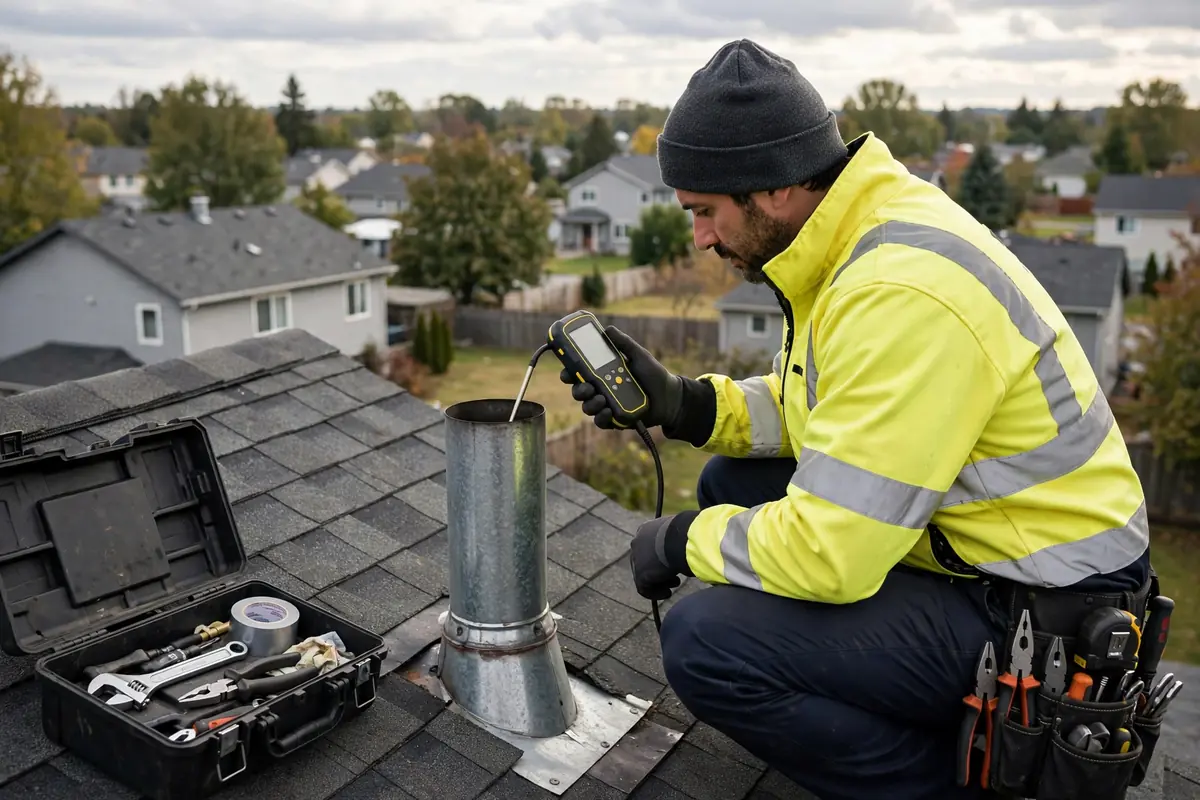
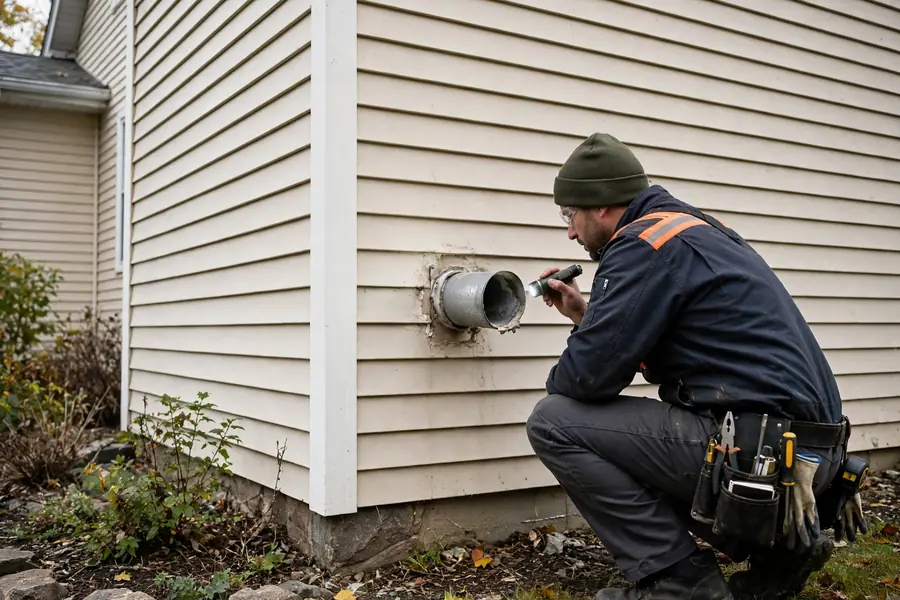
- Flue and vent-pipe check: corrosion, separations, proper slope, and a clear termination outside
- CO readings with a handheld meter at the furnace and near supply registers
- Burner and flame check: a steady blue flame is normal, a lazy yellow flame is a combustion warning sign
- Combustion-air supply check, since furnaces in tight closets can be starved of air
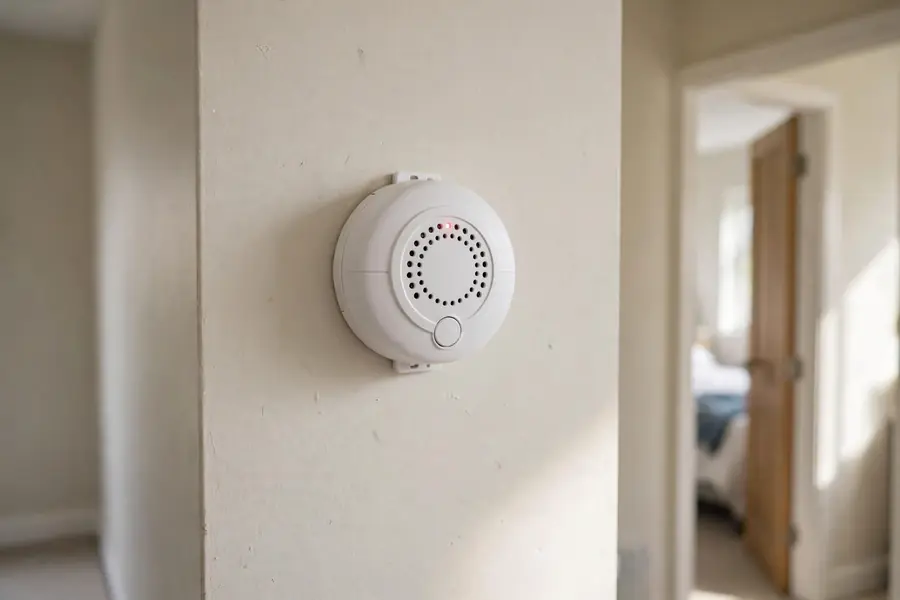
- Detector placement review: we walk your home and note gaps, per manufacturer guidance
- Written findings in plain language, so you know exactly where your system stands
One thing we want to be clear about: we are not medical professionals, and we never diagnose symptoms. Our job is the equipment side. If anyone in your home feels ill and you suspect CO, get to fresh air and call 911 first. Then call us, and we will find the source and make sure the furnace is safe before it runs again.
Where Detectors Belong
| Location | Guidance |
|---|---|
| Outside each sleeping area | The most important spot. An alarm here wakes you, which is the whole point. |
| Every level of the home | Include the basement. CO mixes with air and can travel between floors. |
| Near, not inside, the furnace room | Close enough to catch a problem early, but follow the distance in your detector's manual. |
| What to avoid | Dead-air corners, directly above the furnace, and spots with heavy humidity or cooking fumes that cause false alarms. |
Most manufacturers and national fire-safety guidance agree on these basics, and your detector's manual has the final word for your model. If your detectors are past the date printed on them, replace them. An expired sensor can fail silently.
Don't Ignore These
Warning Signs We Take Seriously
The CO alarm is sounding
Don't investigate first. Get everyone, including pets, outside into fresh air, then call 911 from outside. Don't go back in to open windows.
Do this now: leave, call 911, and stay out until responders clear the home. Then call us to find the source.
Soot, rust, or a lazy yellow flame
Black soot around the furnace, rust streaks on the flue pipe, or a burner flame that burns yellow and lazy instead of blue and steady all point to incomplete combustion.
Do this now: turn the furnace off at the thermostat and call us for a combustion check.
Symptoms that fade outdoors
Headaches, nausea, dizziness, or confusion that show up at home and ease when you leave deserve immediate attention. We don't diagnose medical symptoms, but the pattern matters.
Do this now: get to fresh air and call 911. We'll handle the equipment side once the home is cleared.
Upfront & Simple
How a Safety Check Visit Goes
1. Call, day or night
A suspected CO issue gets priority. Our emergency line is answered around the clock.
2. We inspect before it runs
The furnace stays off until we've checked the heat exchanger, venting, and combustion. No guesswork.
3. Readings and plain answers
We take CO readings, explain what they mean in plain language, and lay out your options with real numbers.
4. Fix, retest, confirm
After any repair, we retest to confirm safe operation before the system goes back into service.
Honest Pricing
What a Safety Check Involves
A combustion safety check is usually bundled into our furnace maintenance visit, so a tune-up and a safety check happen in one appointment. As a standalone visit, the price depends on how accessible your equipment is and how many fuel-burning appliances you want checked. Detectors themselves are a retail purchase, any brand from a hardware store works, and we'll advise on placement while we're there.
If the check finds a cracked heat exchanger or failed venting, we'll show you what we found and price the repair options separately. You approve everything before any work begins. Our cost guide explains how we think about repair pricing.
Local Service
Safety Checks Across Clarksville
Downtown Clarksville
Historic homes near Franklin Street often vent through original chimneys and aging flue pipe. We pay special attention to venting condition and combustion air in these older systems.
New Providence
Older homes near the Cumberland River deal with damp crawlspaces that corrode vent pipe and gas valves. Our safety check includes a close look at everything moisture touches.
St. Bethlehem
Established neighborhoods here run a mix of mid-life gas furnaces. An annual combustion check catches heat-exchanger wear and venting issues before they become winter emergencies.
Clarksville HVAC Repair Pro
Concerned About CO? Get Answers Today.
A safety check is quick, and the peace of mind lasts all winter. We'll test your system and tell you exactly where you stand.
Good To Know
Carbon Monoxide Questions, Answered Plainly
Can my furnace really produce carbon monoxide?
Yes. Any fuel-burning appliance produces some carbon monoxide during combustion. In a healthy furnace, that CO stays inside the combustion chamber and exits through the flue. It becomes a hazard when something interrupts that path: a cracked heat exchanger, a blocked or corroded vent, or a furnace starved of combustion air. That is what a safety check looks for.
What should I do if my CO alarm goes off?
Get everyone, including pets, out of the house and into fresh air immediately, then call 911 from outside. Do not go back in to open windows or investigate, and do not re-enter until emergency responders say it is safe. After the home is cleared, call us and we will find the source and make sure the furnace is safe before it runs again.
Where should CO detectors go in my home?
Most manufacturers and national fire-safety guidance agree on the basics: one outside each sleeping area, one on every level of the home including the basement, and always follow the placement distances in your detector's manual. During a safety check we walk your home and point out any gaps.
How often should CO detectors be replaced?
Most manufacturers rate the sensor for about five to ten years. Check the date printed on your detector. An expired detector can fail silently, so a detector that is past its date should be replaced even if it still beeps when you press the test button.
Does an electric furnace produce carbon monoxide?
No. Electric furnaces heat with electric heating elements, so there is no combustion and no carbon monoxide from the furnace itself. But many homes pair an electric furnace or air handler with a gas water heater, gas fireplace, or gas range, and those appliances still make detectors a good idea.
How often should my furnace get a safety check?
Once a year, ideally before heating season starts in the fall. Our furnace maintenance visits include the combustion safety items as standard, so a tune-up and a safety check happen in the same appointment.
Further reading: the Wikipedia overview of carbon monoxide poisoning explains how CO exposure works, and the EPA's indoor air quality pages cover combustion safety in homes.