Gas Furnace Repair in Clarksville, TN
Burners, gas valves, ignition, and heat exchanger safety. We repair the combustion side right, and we check for CO on every visit.
Mon–Fri 7AM–7PM · Sat 8AM–4PM · 24/7 emergency dispatch · Serving Clarksville & Montgomery County
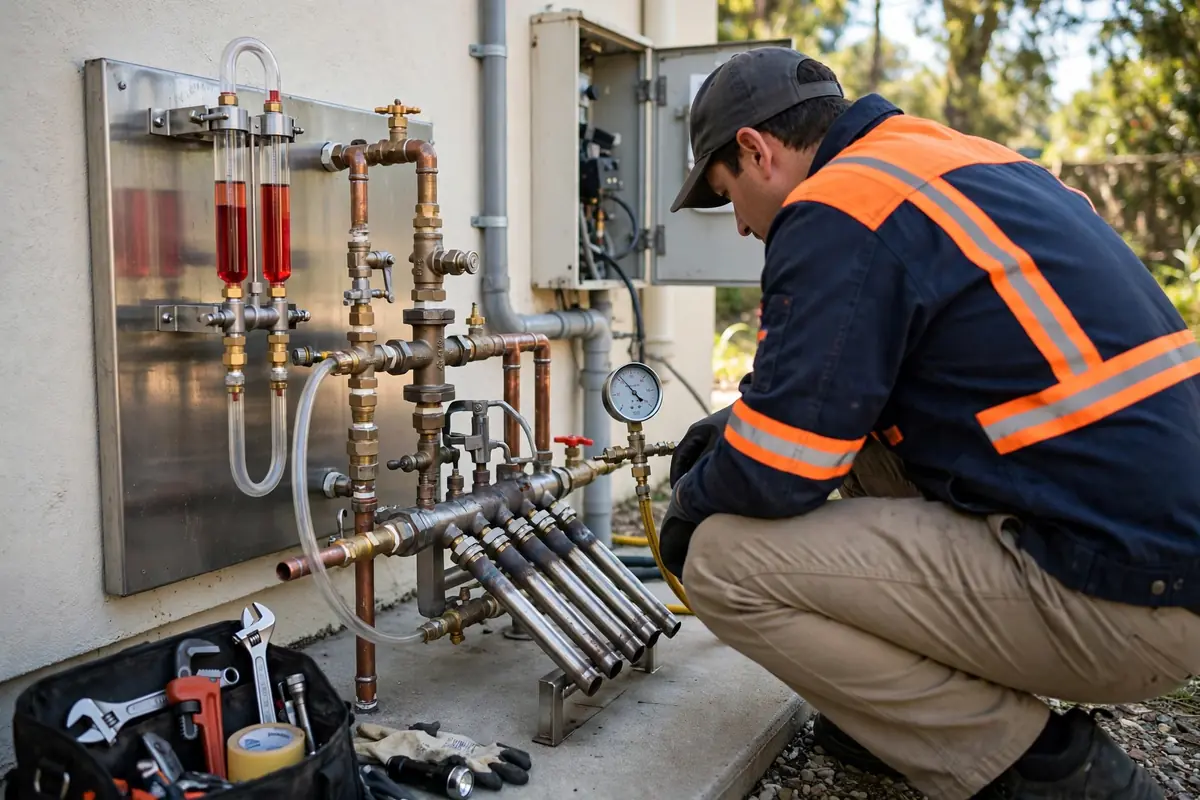
The Combustion Side
Gas Furnaces Need a Tech Who Respects the Flame
Direct answer: yes, we repair gas furnaces of all ages, from standing-pilot units in older downtown homes to high-efficiency condensing furnaces in newer Sango subdivisions. Gas work is where shortcuts get dangerous, so we do it by the book: leak checks, combustion testing, and a heat exchanger inspection on every visit.
A gas furnace is really two machines in one cabinet. The combustion side makes the heat (burners, gas valve, ignition, flame sensor, heat exchanger, flue). The air side moves it (blower, ducts). Most no-heat calls we run in Montgomery County trace back to the combustion side: a failed ignitor, a dirty flame sensor, a sticking gas valve, or burners starved by years of dust. The fix is usually straightforward once you've found the actual failed part, which is why we diagnose before we quote.
What Our Gas Furnace Repair Covers
- Ignition systems. Hot-surface ignitors, spark ignition, pilot assemblies, and thermocouples.
- Burners and gas valves. Cleaning, adjustment, gas pressure testing, and valve replacement.
- Flame sensors. Cleaning or replacement when the furnace lights then shuts right back down.
- Heat exchanger inspection. Visual and camera inspection for cracks or separations, with CO testing.
- Combustion analysis. Flue gas testing to verify clean, safe burner operation.
- Venting and condensate. Flue blockages, inducer motors, and condensate drains on high-efficiency units.
Clarksville-specific note: the damp air off the Cumberland River is rough on gas valves and burner components in crawlspace installations. Corrosion builds quietly, then a cold snap in January hits and the valve that was "fine" in October sticks shut. If your furnace lives in a crawlspace or damp basement, say so when you call. We'll check for corrosion as part of the visit.
Smell gas right now? Don't read further. Leave the house and call your gas utility or 911 from outside. Then call us at (931) 800-6452 once it's safe. For ignition-specific failures, see furnace ignition repair, and for the safety deep-dive, carbon monoxide safety.
Don't Ignore These
Gas Furnace Warning Signs
Yellow or flickering burner flames
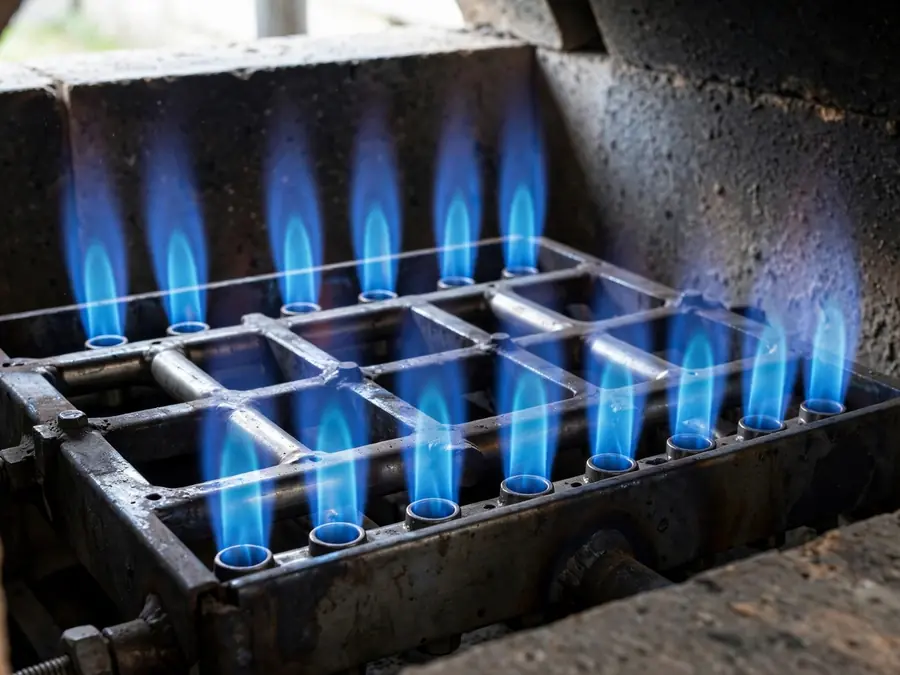
Healthy gas flames burn steady and blue. Yellow, lazy, or dancing flames point to dirty burners or combustion trouble. Worth a visit before heating season peaks.
Ignition and burner service →Furnace lights, then shuts off seconds later
The classic dirty flame sensor pattern. The furnace proves no flame, so the gas valve closes as designed. Usually a quick fix once diagnosed.
Browse furnace symptoms →Soot, rust, or moisture around the furnace
Soot streaks, rust on the cabinet, or water near the flue can signal venting or combustion problems. Don't run it and hope. Get it checked.
CO safety guidance →Upfront & Simple
How a Gas Furnace Visit Works
Safety sweep
We check for gas leaks and test for carbon monoxide before anything else. Safety never waits.
Combustion diagnosis
Ignition, gas pressure, burners, flame signal, and heat exchanger get tested in sequence.
One upfront price
You see the failed part, hear the options, and approve one number before we repair.
Tested and verified
We run full heating cycles, verify clean combustion, and recheck CO levels before leaving.
Honest Pricing
What Affects Gas Furnace Repair Cost
On the gas side, the part makes the price. A flame sensor cleaning is a short visit. A gas valve replacement is a bigger part plus careful labor and testing. Furnace age matters more for gas than electric: valves and controls for a 25-year-old unit can be harder to source, and at some point the honest advice is to put that money toward a replacement.
We never quote gas repairs sight unseen, and we'd rather you be cautious of anyone who does. Diagnosis first, one upfront number, your approval before work. The cost guide has the ranges and the repair-vs-replace math.
Why Clarksville Calls Us
Gas Work Done the Careful Way
Combustion tested, not guessed
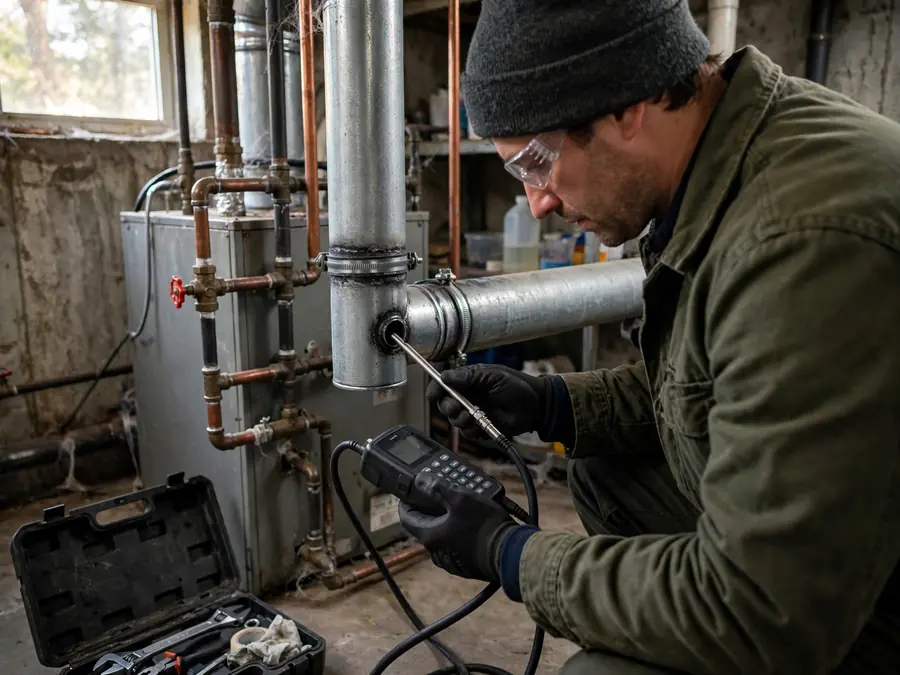
We verify burner performance with real instruments, so "it looks fine" is never the diagnosis.
CO check every visit
Carbon monoxide testing is part of every gas furnace call, not an upsell.
Old units welcome
Standing pilots, old gas valves, vintage controls. If it's repairable safely, we'll repair it.
Straight Talk
Symptom to Component: What's Usually Behind It
Patterns from the gas furnaces we service around Clarksville. Only a visit confirms your case.
| Symptom | Often points to | What we do |
|---|---|---|
| Clicking but never lights | Failed hot-surface ignitor or spark module | Test and replace the ignition component |
| Lights, then shuts off in seconds | Dirty or failed flame sensor | Clean or replace the sensor, verify flame signal |
| No gas sound at all on a call for heat | Gas valve or control board issue | Test gas pressure and valve operation |
| Yellow flames or soot marks | Dirty burners or combustion problem | Clean and adjust burners, run combustion analysis |
Local Service
Gas Furnace Repair Across Clarksville
Downtown Clarksville
Historic homes near Franklin Street with older gas furnaces, some still running standing pilots.
Sango
Newer subdivisions with high-efficiency condensing gas furnaces and modern venting.
Good To Know
Gas Furnace FAQs
Should my gas furnace flames be blue or yellow?
Blue. Steady blue flames mean clean combustion. Yellow, flickering, or lazy flames can mean dirty burners or a combustion problem, and that deserves a service visit. If flames look wrong, call (931) 800-6452.
I smell gas near my furnace. What do I do?
Leave the house right away without touching switches or using your phone inside. Call your gas utility or 911 from outside. After the area is declared safe, call us at (931) 800-6452 to find and fix the leak source.
Do you inspect the heat exchanger on a gas furnace visit?
Yes. Every gas furnace visit includes a heat exchanger inspection and carbon monoxide check. A cracked heat exchanger is a safety red line, and we will show you what we find.
My old furnace has a pilot light. Can you still fix it?
Yes. Plenty of older Clarksville homes still run standing-pilot furnaces. We service pilot assemblies, thermocouples, and older gas valves, and we can talk through upgrade options when the time comes.
How often should a gas furnace be serviced?
Once a year, ideally in early fall before heating season. Annual service covers burner cleaning, ignition checks, gas valve testing, and heat exchanger inspection. See our furnace maintenance page for what's included.
Where should carbon monoxide detectors go in my home?
Outside each sleeping area and on every level of the home, including near the furnace room but not right next to it. Test them monthly and replace units past their printed expiration date. See our carbon monoxide safety page for the full guidance.
Clarksville HVAC Repair Pro
Gas Furnace Trouble? Get It Checked Right.
Combustion testing and CO checks on every visit. Mon–Fri 7AM–7PM, Sat 8AM–4PM, 24/7 for emergencies.