Maintenance & Care
Furnace Maintenance Checklist: What to Do and How Often
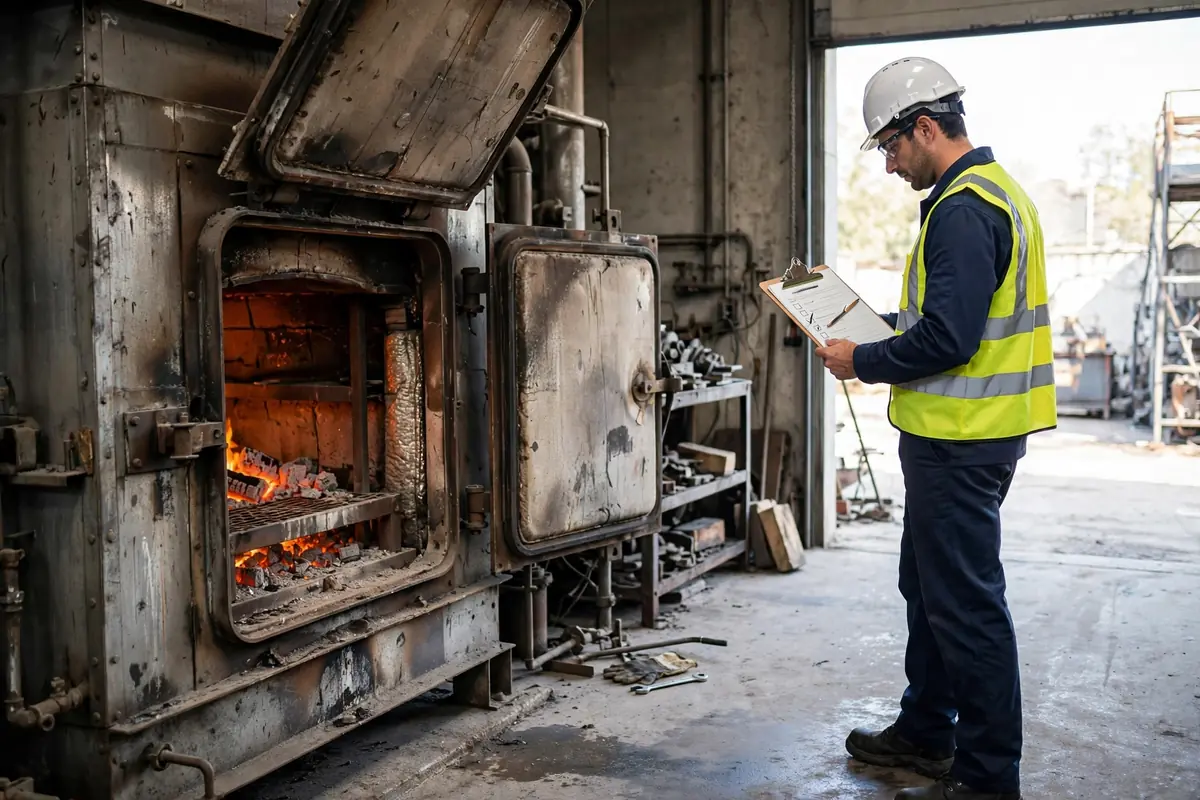
Here is the whole maintenance picture in one place: check the air filter monthly during heating season, get a professional tune-up every fall, and test your carbon monoxide detectors on a schedule. That covers nearly everything a furnace needs. The details below split each task into homeowner jobs and pro jobs, so you know exactly where the line is.
Monthly Homeowner Tasks
During heating season, roughly late fall through early spring in Clarksville, these take minutes:
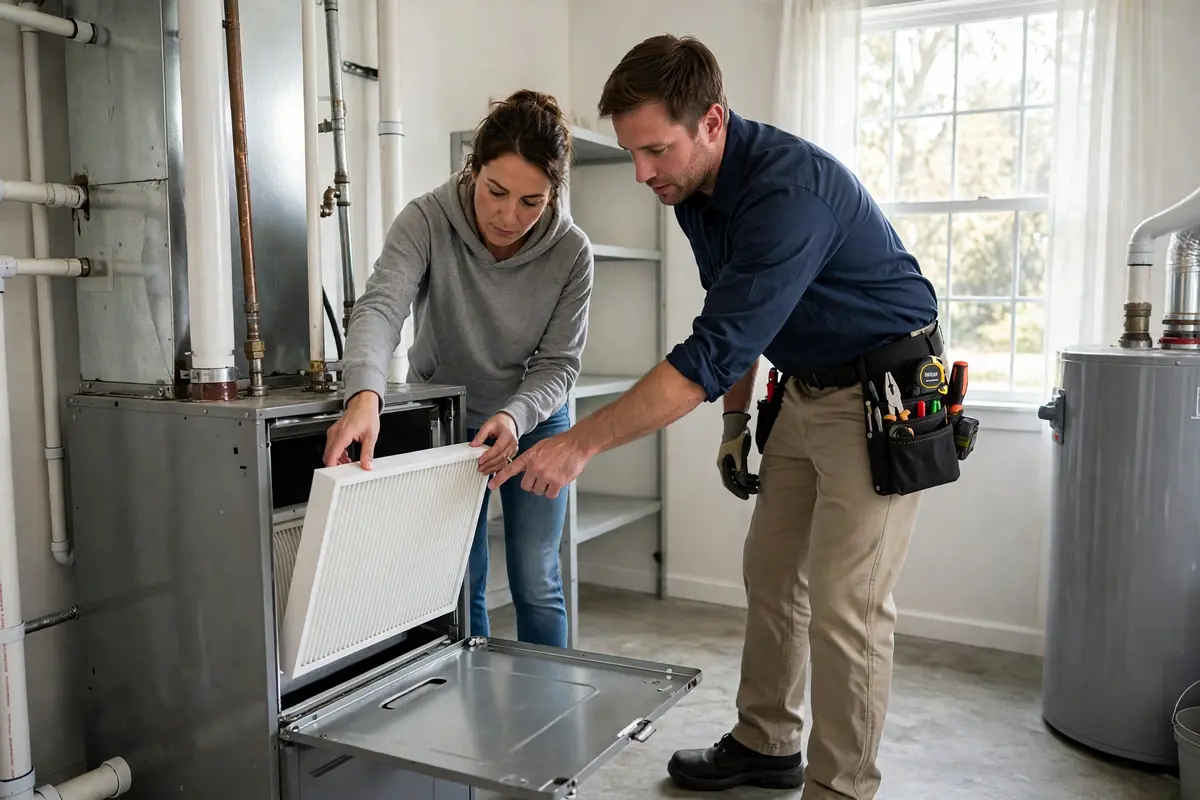
- Check the air filter. Hold it up to a light. If you cannot see light through it, replace it. Homes with pets, or near the construction dust of Clarksville's growing corridors, may need a new filter every month. This single habit prevents more breakdowns than anything else on this list.
- Keep vents and returns clear. Make sure supply registers are open and return grilles are not blocked by furniture or rugs.
- Listen for changes. New rattling, squealing, or banging at startup is worth a call before it becomes a failure. Our cold-air troubleshooting guide explains which sounds map to which problems.
- Glance at the thermostat. If the display is dim or the temperature never matches the room, swap batteries or consider an upgrade.
The Fall Tune-Up: What a Tech Actually Does
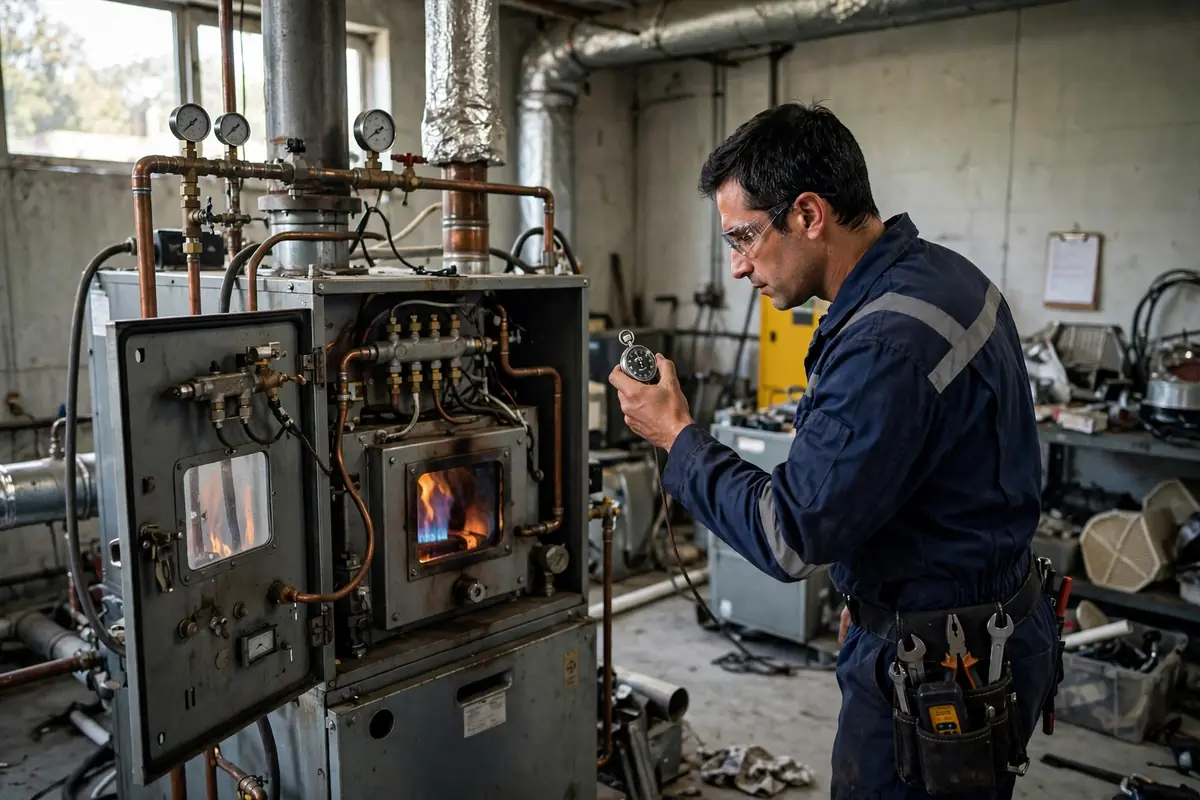
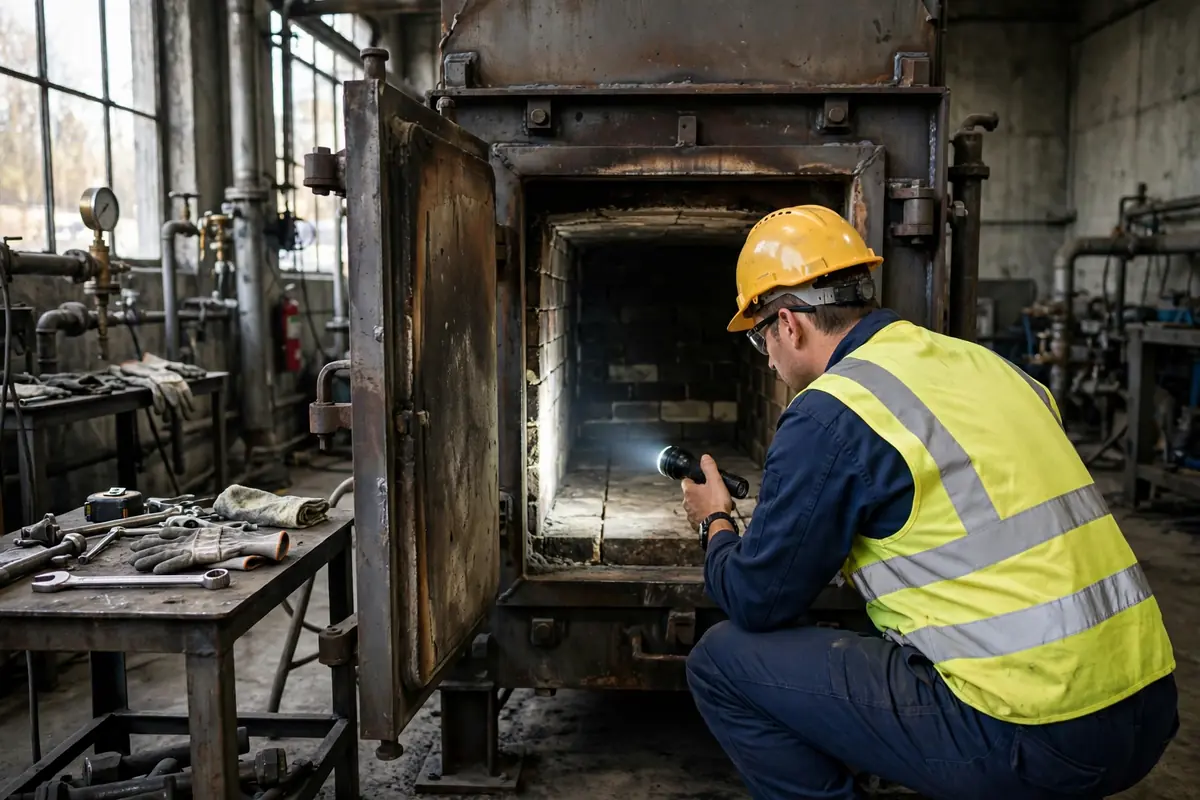
A real tune-up is not a quick once-over. When we service a furnace, we work through the system methodically: clean and inspect the burners, test the ignitor and flame sensor, visually inspect the heat exchanger for cracks or corrosion, run a carbon monoxide test, check gas pressure and all electrical connections, clean the blower wheel and housing, verify the condensate drain is clear, and test thermostat calibration and full system operation.
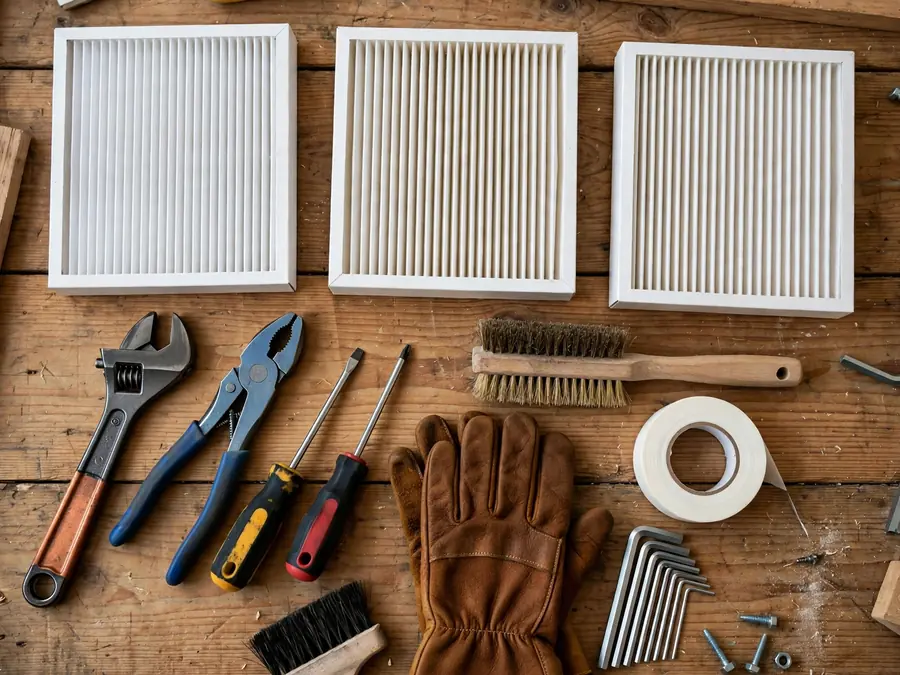
That visit is also when we catch the small stuff: a flame sensor starting to soot up, a capacitor reading weak, a blower belt showing wear. Fixing those in October costs far less than an emergency call on the coldest night of the year. See exactly how a visit runs on our our process page, or book furnace maintenance directly.
Once-a-Year Safety Items
- Test CO detectors monthly; replace per manufacturer schedule. Detectors age out, typically every 5 to 10 years depending on the model. Write the install date on the unit with a marker. With gas furnaces common across Montgomery County, this is the most important safety item in your home.
- Check the furnace area. Keep storage, boxes, paint cans, and chemicals at least a few feet from the furnace. Combustion needs clear air, and clutter is a fire risk.
- Look at the venting. From outside, make sure the furnace exhaust vent is not blocked by nests, leaves, or ice. Do not disassemble anything; just look.
What to Leave to the Pros
The line is simple: anything involving gas connections, high-voltage electrical, burners, or the heat exchanger belongs to a trained technician. That includes gas valve work, ignitor replacement, heat exchanger inspection, and anything behind a screwed-on access panel. The burner compartment is not a learning project. Honest framing cuts both ways: we would rather you handle filters and vents yourself and call us for the rest than attempt a gas repair from a video. For finding a qualified contractor anywhere, the ACCA contractor locator is a useful starting point.
| Task | How often | Who |
|---|---|---|
| Check/replace air filter | Monthly, Oct–Apr | Homeowner |
| Clear vents and returns | Monthly | Homeowner |
| Test CO detectors | Monthly | Homeowner |
| Professional tune-up | Every fall | Technician |
| Replace CO detectors | Per manufacturer (5–10 yrs) | Homeowner |
| Burner/heat exchanger/gas work | As needed | Technician only |
Clarksville Timing: Beat the First Frost
Clarksville's first frost usually lands in early November, and the first real cold snap is not far behind. Late September through October is the sweet spot for a tune-up: mild weather, easy scheduling, and any parts needed arrive before you actually need heat. Once temperatures drop into the 30s, every neglected furnace in the 37040–37044 ZIPs seems to fail at once, and appointment windows tighten. We also recommend a quick pre-winter look at homes near the Cumberland River, where damp crawlspaces accelerate rust on furnace cabinets and ductwork. Our carbon monoxide safety checks are included in every fall tune-up, because heating season is CO season.
How often should a furnace be serviced in Clarksville, TN?
Once a year, every fall before heating season. Aim for early fall, well before the first frost. Between tune-ups, check the air filter monthly while the heat runs.
What does a professional furnace tune-up include?
A thorough tune-up covers cleaning and inspecting the burners, testing ignition and the flame sensor, a visual heat exchanger inspection, carbon monoxide testing, checking gas pressure and electrical connections, cleaning the blower assembly, and verifying the condensate drain. The tech should also test thermostat calibration and overall system operation.
Can I do furnace maintenance myself?
Some of it, yes. Homeowners can safely replace filters, keep vents and returns clear, test CO detectors, and keep the area around the furnace clean. Anything involving gas connections, electrical panels, burners, or the heat exchanger belongs to a trained technician.
Does skipping furnace maintenance really matter?
It does. Most mid-winter breakdowns we see trace back to skipped maintenance: clogged filters causing limit trips, dirty flame sensors causing lockouts, and worn parts that a fall tune-up would have caught. Regular maintenance also keeps the system running closer to its rated efficiency, which shows up on the energy bill.
When should I schedule a tune-up to beat the rush?
Before the first cold snap, while scheduling is still easy. Once temperatures drop into the 30s, every neglected furnace in Montgomery County seems to fail at once and appointment windows tighten. Call (931) 800-6452 in early fall for the widest choice of times.