Seasonal Guide
Fall Furnace Prep Checklist for Clarksville Homes
Short answer: start in September. Change the filter, clear vents and the area around the furnace, test the thermostat, book a professional tune-up for October, and run a full test cycle in November. Do that and your furnace will face January ready instead of surprised.
Why Fall Prep Matters in Clarksville
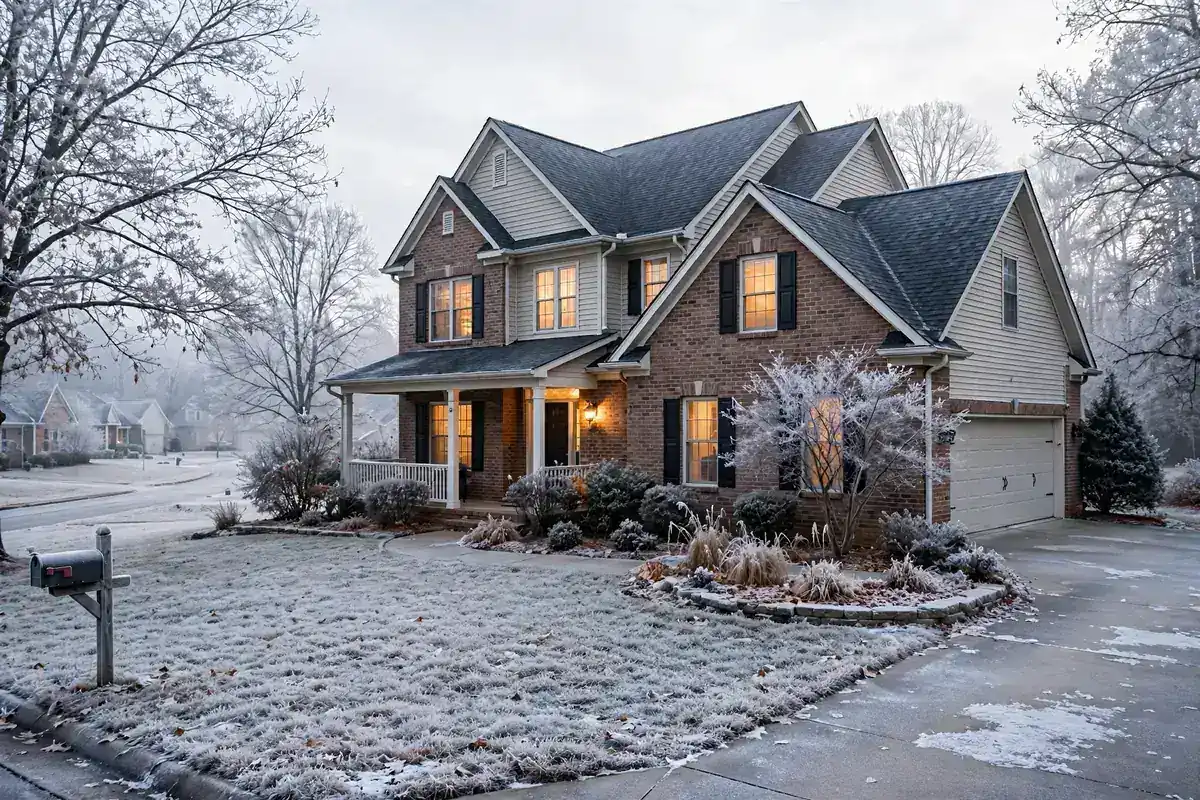
Clarksville does not ease into winter. One week it is 70 degrees, the next an Arctic push drops lows into the 20s and the phones light up across Montgomery County. January averages lows around 26 to 30 degrees, and the record sits at 17 below. Add our signature ice and wintry mix, which knocks power around and then refreezes everything, and you have a season that punishes neglected furnaces.
The pattern repeats every year: the first real cold snap brings a wave of no-heat calls, and most of them trace to things a fall tune-up would have caught. A dirty flame sensor. A weak capacitor. A blower wheel packed with summer dust. None of these announce themselves in September. They wait for the night you need heat most.
September: The Homeowner Checks
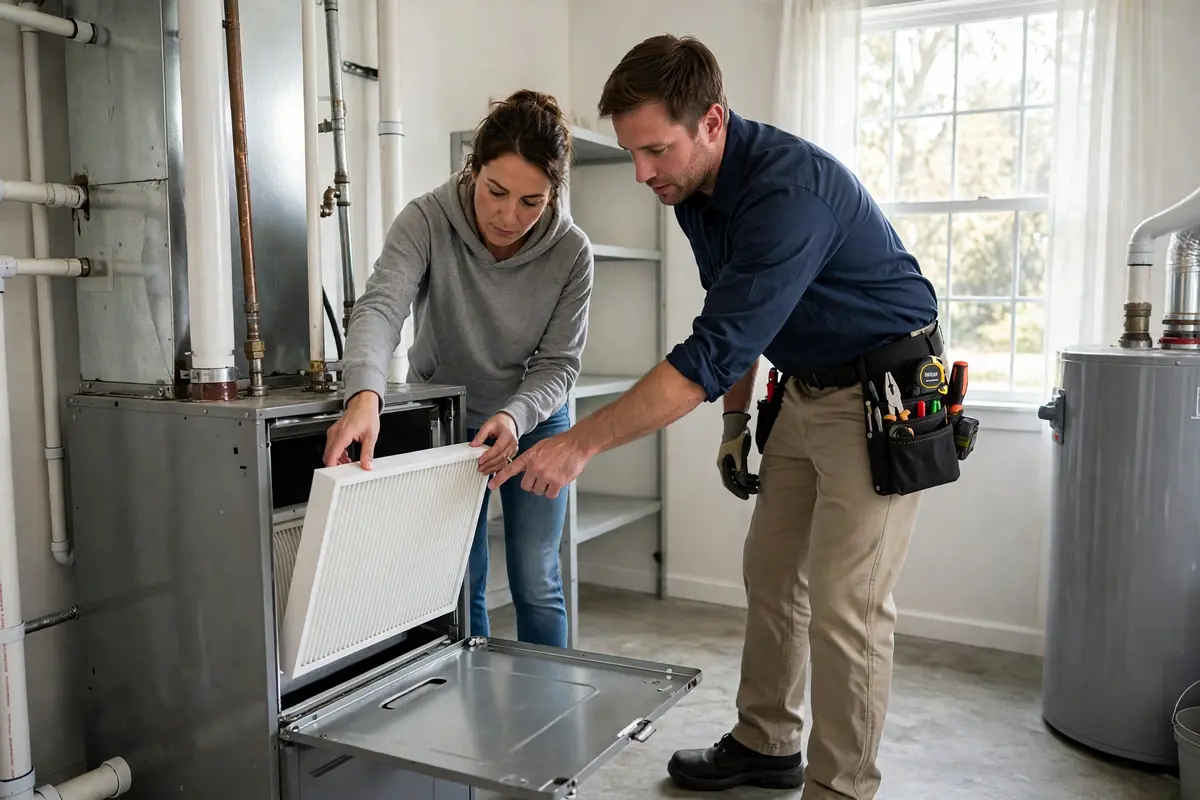
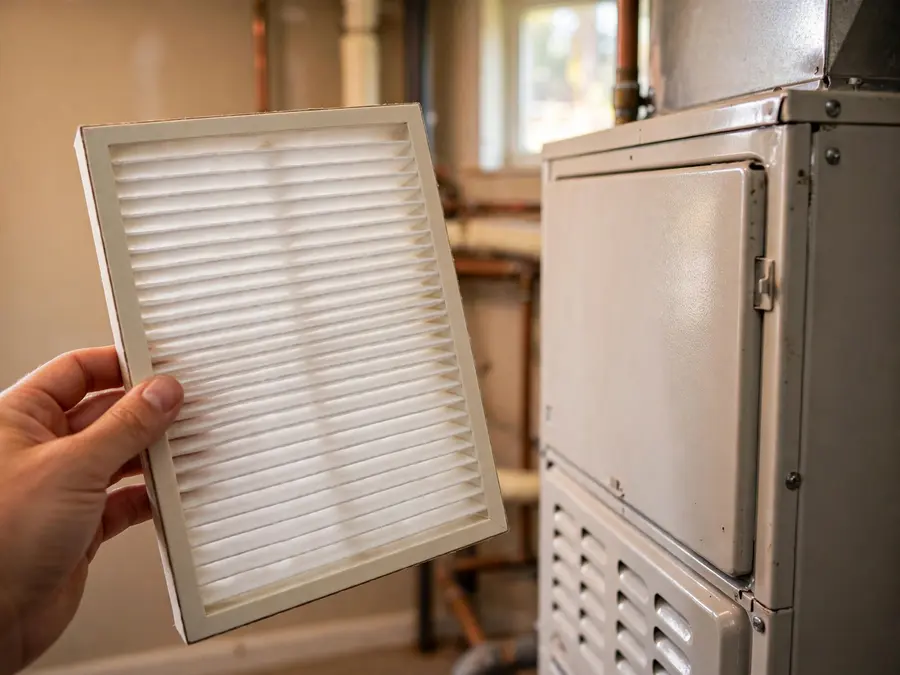
Early fall is for the easy wins, and the whole point is doing them while the weather is still forgiving. Swap the filter, walk every vent and return to make sure furniture and rugs are not blocking them, give the furnace several feet of breathing room from the boxes and paint that crept in over summer, freshen the thermostat batteries, and press the test button on every carbon monoxide detector. Our furnace maintenance checklist has the full homeowner routine with the monthly cadence. The calendar is simply the point: start it now, before you are doing it on a ladder in a cold garage in January.
October: Book the Tune-Up and Test-Run
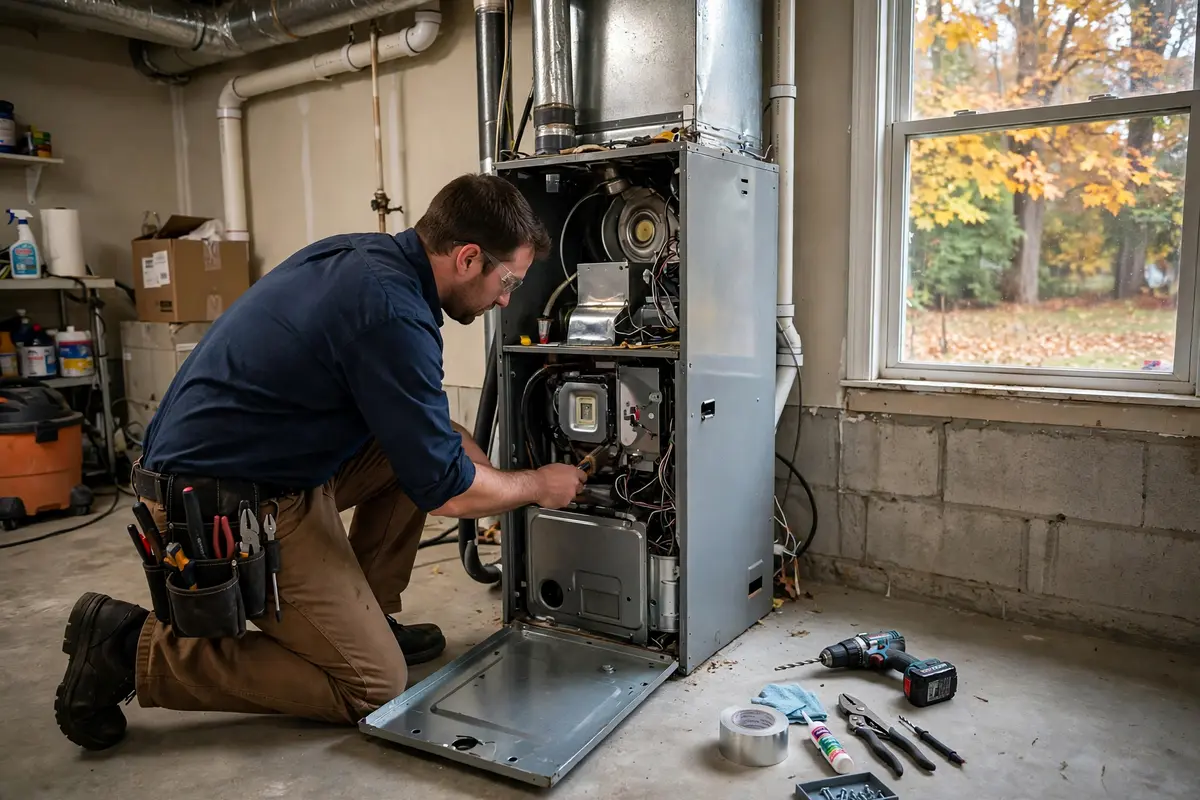
October is the sweet spot for a professional tune-up for one reason: the calendar. Book in early fall and you get your pick of appointment times, while the weather still cooperates. Wait for the first cold snap and you join the wave of no-heat calls competing for the same techs across Montgomery County. A real tune-up covers the full system from burners to safety controls, and our furnace maintenance page lists every step it includes.
Then run the test. On a mild fall day, set the thermostat a few degrees above room temperature and let the furnace run a full cycle. Walk the house. Feel every vent. Listen for new rattles or squeals. A dusty smell that fades within an hour or two is normal burn-off. Anything else, an electrical smell, a bang at startup, cold rooms, gets a call to (931) 800-6452 while the calendar is still open.
November: Final Checks Before the Cold
November is the last easy window. Run through this short list:
| When | Do this | Why it matters |
|---|---|---|
| September | Filter, vents, thermostat batteries, clear the furnace area, test CO detectors | Catches airflow and safety basics while it is still warm |
| October | Professional tune-up, full test cycle, listen for new noises | Finds worn parts before the first cold snap |
| November | Check condensate drain, seal drafty windows near returns, confirm detector dates | Final pass before January lows in the 20s |
One Clarksville-specific note for November: homes near the Cumberland River and in low-lying parts of New Providence and St. Bethlehem run damp crawlspaces. Moisture corrodes furnace cabinets and ductwork faster than most homeowners expect. If your unit sits in a damp space, mention it when you book the tune-up so the tech gives the cabinet and connections an extra look.
What to Leave to a Pro
Fall prep splits cleanly: filters, vents, thermostat batteries, and clearing space are yours. Anything inside the furnace cabinet, gas connections, electrical work, and venting changes are ours. If your furnace is over 15 years old, use the tune-up visit as a decision point and ask the tech for the honest repair-vs-replace math while the system is open and testable. Our DIY troubleshooting guide lists the safe checks and the hard stop rules.
When should I start prepping my furnace for winter in Clarksville?
September. Do the homeowner checks in early fall, book the professional tune-up for mid-fall, and run a final test before the first cold snap. That spreads the work out and beats the rush when the first cold snap hits and every tech in Montgomery County is booked.
Can I run my furnace briefly in the fall just to test it?
Yes, and you should. On a mild October day, set the thermostat a few degrees above room temperature and let it run a full cycle. Listen for new noises, check that warm air reaches every room, and note any smell. A dusty smell that fades in an hour or two is normal; anything else deserves a call.
Do I really need a professional tune-up every year?
It is the single best predictor of a trouble-free winter we know. A tune-up catches dirty flame sensors, weak capacitors, and corroded connections before they become January emergencies. Most furnaces last 15 to 20 years with yearly maintenance; neglected ones often do not.
What should I do with the area around my furnace before winter?
Clear it. Move boxes, paint cans, and stored items at least a few feet from the unit, check that the flue and intake pipes outside are clear of leaves and nests, and make sure the condensate drain line is not clogged. Furnaces need breathing room to run safely.
My furnace is over 15 years old. Should I prep it or replace it?
Prep it first, then decide. A tune-up tells you exactly what shape it is in, and the tech can give you the honest repair-vs-replace math. Use the 50% rule and the $5,000 rule from our repair-vs-replace guide. Do not let a furnace die mid-January if the numbers already say replace.