Local Guide
How Clarksville Winters Treat Your Furnace
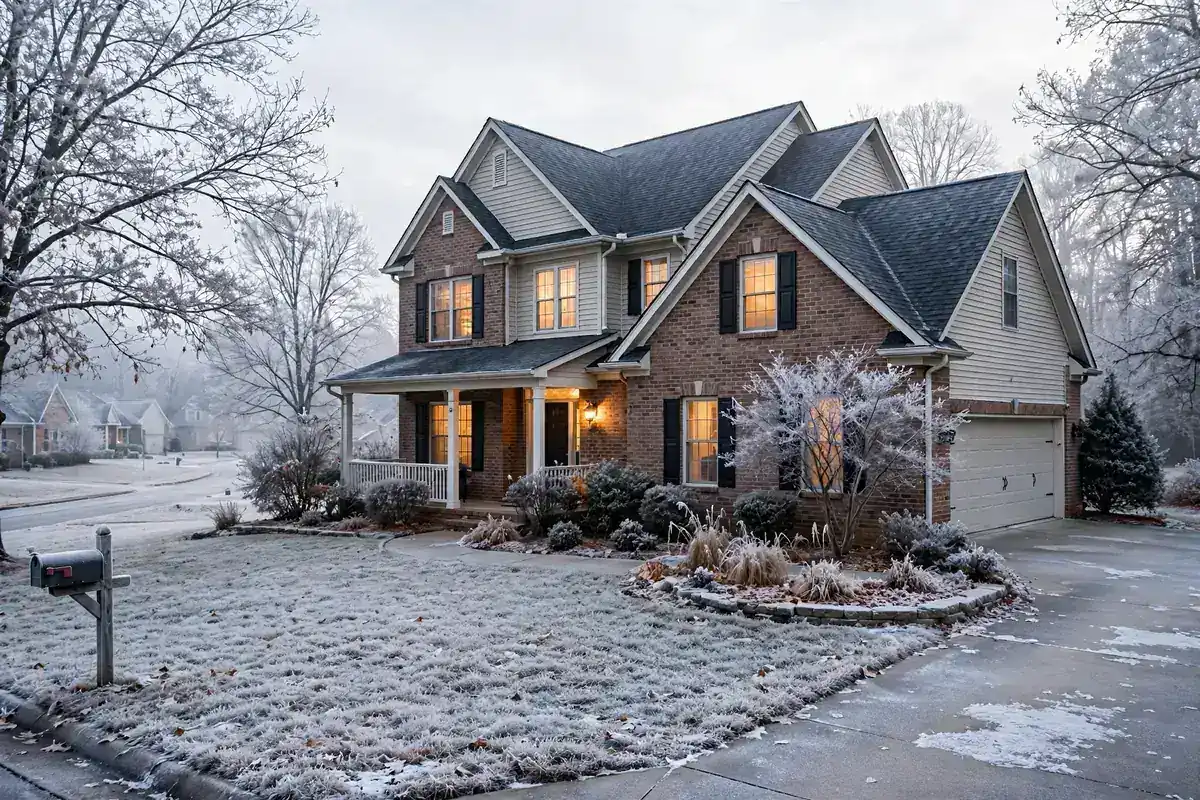
Clarksville does not get the deep snow of the Midwest, but its winters punish furnaces in their own way: freezing rain and wintry mix, sudden hard freezes after mild stretches, and damp river air that rusts equipment from the outside in. Here is what local weather actually puts your heating system through, and how to get ahead of it.
The Wintry-Mix Problem
Ask a lifelong Clarksville resident about winter and they will not talk about blizzards. They will talk about ice. The city averages only about five inches of snow a year, but freezing rain, sleet, and black ice are the signature hazard. Ice storms snap tree limbs onto power lines, and outages are the real furnace threat: a gas furnace still needs electricity for its blower, ignition, and controls, so no power means no heat no matter what fuel you burn.
Before an ice event, keep the thermostat at its normal setting rather than cranking it, know where your breaker panel is, and keep our number saved. Our emergency furnace repair line at (931) 800-6452 is answered 24/7, because no-heat calls do not wait for business hours. If you rely on a portable generator, never run it indoors or in the garage: carbon monoxide kills, and our carbon monoxide safety page explains detector placement for storm season.
January Cold Snaps
January is the coldest month, with average lows in the upper 20s and highs in the mid-40s. That sounds manageable until a cold snap parks over Montgomery County: multi-day stretches in the teens happen most winters, single digits show up some years, and the record low of minus 17 degrees dates to January 1963. During those stretches your furnace runs nearly nonstop, which is exactly when neglected parts fail. The ignitor that was getting weak in November gives up on the coldest night of the year. It is a pattern we see every winter.
Freeze-Thaw Swings and Heat Exchanger Stress
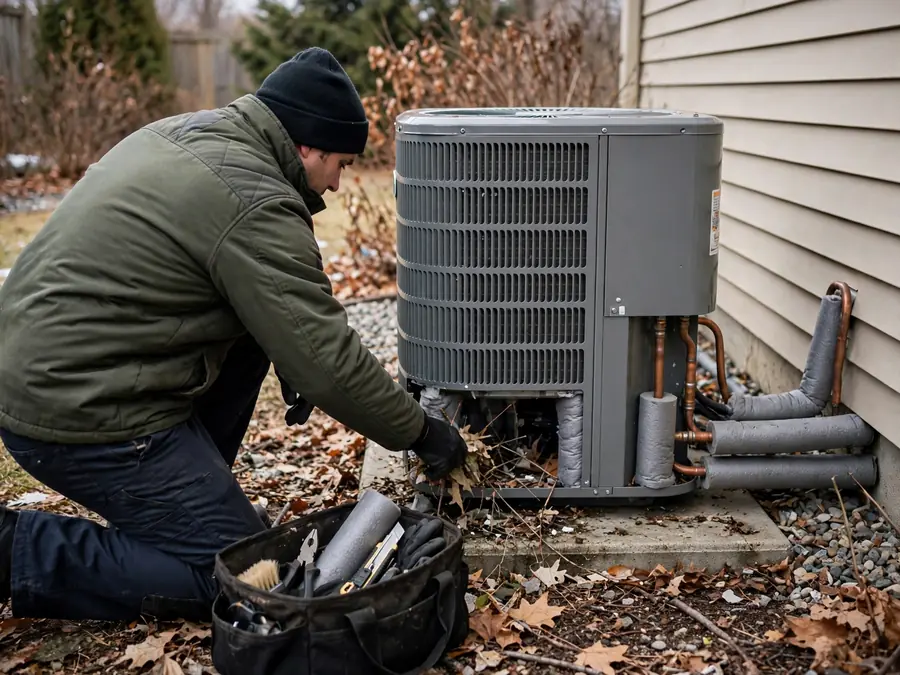
Clarksville's other winter trademark is the swing: a 60-degree afternoon followed by a hard freeze overnight, the local "fool's spring" that tricks plants and furnaces alike. Rapid temperature swings make furnaces cycle aggressively, and every cycle expands and contracts the heat exchanger. Over years, that thermal stress is what cracks heat exchangers, which is both a repair bill and a safety issue. Annual maintenance keeps the system cycling cleanly instead of short-cycling through every swing.
The Cumberland River's Damp Crawlspaces
The Cumberland River cuts through Clarksville, and low-lying areas near it trap cold air and hold moisture. Crawlspaces and basements stay damp, and damp air rusts furnace cabinets, ductwork connections, and gas valves from the outside in. We see more corrosion-related failures in river-adjacent homes than anywhere else in the county. If your furnace sits in a damp crawlspace, a fall inspection should include a look at the cabinet, the venting, and the condensate drain, because standing water and rust never improve on their own. More on the city's river and climate history at Wikipedia's Clarksville, Tennessee page.
| Winter threat | Furnace risk | Prep move |
|---|---|---|
| Ice storms, power outages | No heat without power; frozen pipes | Know breaker panel; save our 24/7 number |
| Multi-day teens/single digits | Weak parts fail under constant run | Fall tune-up before January |
| Rapid freeze-thaw swings | Heat exchanger thermal stress | Annual maintenance; fix short cycling |
| Damp river crawlspaces | Rust on cabinet, ducts, gas valve | Inspect for corrosion each fall |
| Aging ductwork in older homes | Heat loss, uneven rooms | Duct evaluation with tune-up |
Your Housing Stock Matters
Clarksville's housing tells the furnace story. Historic homes near downtown and Franklin Street, many rebuilt after the January 1999 tornado, often run older furnaces, some with standing pilot lights, plus aging ductwork and less insulation. Those homes benefit most from a thorough fall inspection and a hard look at replacement math. Newer subdivisions in Sango and Rossview generally have modern systems and tighter envelopes, so filter discipline and annual tune-ups cover it. Rural-edge properties around Woodlawn on larger lots may have propane or older equipment worth evaluating before winter. Wherever you are in the 37040–37044 ZIPs, the prep list below applies.
Pre-Winter Prep Checklist
- September–October: book a professional tune-up covering burners, ignition, heat exchanger, CO testing, and airflow.
- Test CO detectors on every level, and replace any past the manufacturer's date.
- Stock filters for the season, and check monthly once the heat runs regularly.
- Clear the furnace area of storage and check that the outdoor exhaust vent is unobstructed.
- Note your furnace's age. Past 15 years, have the repair-vs-replace conversation before January, not during a breakdown. Our repair vs replace guide walks through the math.
How cold does it get in Clarksville, TN in winter?
January lows average in the upper 20s Fahrenheit, with multi-day stretches in the teens and occasional single-digit nights. The record low is minus 17 degrees from January 1963. The bigger story is ice: freezing rain and wintry mix are Clarksville's signature winter hazard, more than snow.
Should I worry about my furnace during an ice storm?
Yes, mainly because of power outages. Gas furnaces need electricity for the blower, ignition, and controls, so an outage means no heat regardless of fuel type. Keep the thermostat set normally before a storm, know where your breaker panel is, and have our number handy: (931) 800-6452 is answered 24/7.
Why does my furnace struggle more some winters than others?
Clarksville winters swing hard. A mild stretch followed by a sudden freeze makes the furnace cycle aggressively, and damp conditions accelerate rust on cabinets, ductwork, and gas valves. Older homes with aging envelopes and leaky ducts feel every swing more than tight new construction.
When should Clarksville homeowners schedule furnace maintenance?
Late September through October, before the first frost in early November. That timing catches worn parts before the January cold snaps and avoids the scheduling crunch that hits once temperatures drop into the 30s.
Do older Clarksville homes need different furnace care?
Often, yes. Historic homes near downtown may run older furnaces with standing pilot lights, aging ductwork, and less insulation, so they benefit from a thorough fall inspection, duct evaluation, and working CO detectors on every level. Newer subdivisions mostly need filter discipline and annual tune-ups.