Heating Comparisons
Gas Furnace vs Heat Pump in Middle Tennessee Winters
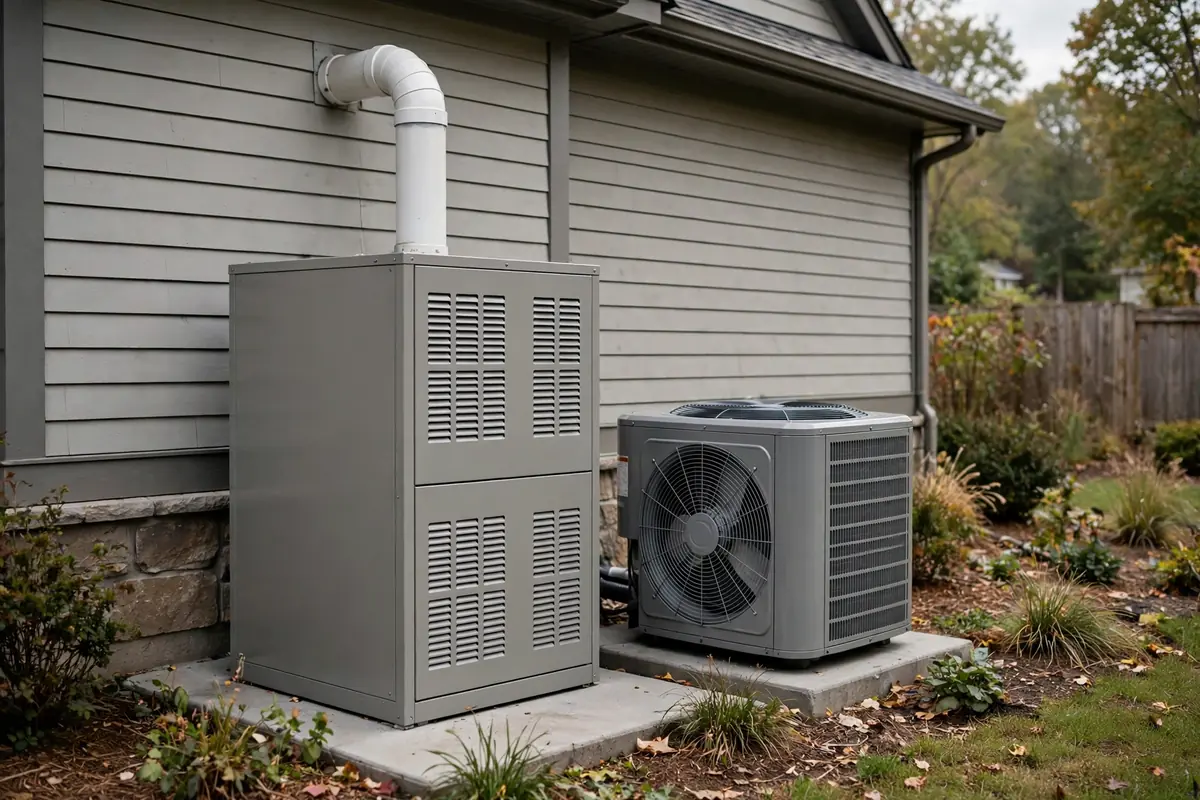
Both systems handle a Clarksville winter, and plenty of homes here run each. Heat pumps cover most of our heating season efficiently and also cool in summer. Gas furnaces shine on the coldest nights, when temperatures drop into the teens. Many homeowners split the difference with a dual-fuel setup. The right choice depends on your house, your utility rates, and what you already have installed.
The Short Answer
If your home already has gas service and ductwork, a gas furnace is usually the straightforward replacement. If you are all-electric, or you want one system that heats and cools, a heat pump often makes more sense. If you want the best of both, dual fuel pairs them. Everything below explains why, so the choice feels like yours instead of a sales pitch.
What a Clarksville Winter Actually Looks Like
Context matters, because national advice assumes national weather. Clarksville sits in USDA Zone 7b with a humid subtropical climate. January lows average in the upper 20s, with multi-day stretches in the teens and occasional single-digit nights. The signature hazard is not snow, it is freezing rain and wintry mix. Ice storms knock out power, and rapid 30-degree swings in a single day are common. Any heating choice here has to handle mild damp cold most of the time, plus a few genuinely brutal weeks.
How Each System Heats (Simply)
A gas furnace creates heat by burning natural gas in a heat exchanger, then blows air across it. It is powerful, fast, and independent of outdoor temperature. A heat pump moves existing heat from outside air into your home using refrigerant, like an air conditioner running in reverse. Moving heat takes less energy than creating it, which is why heat pumps are efficient in mild cold. As outdoor temperatures fall, there is less heat to move, so efficiency drops and the system works harder.
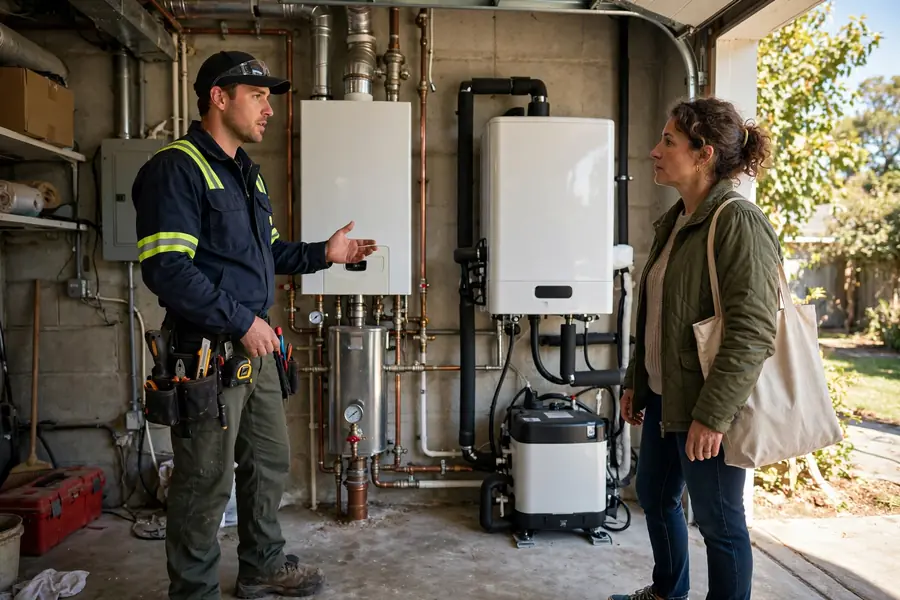
Gas Furnace: Strengths and Weaknesses
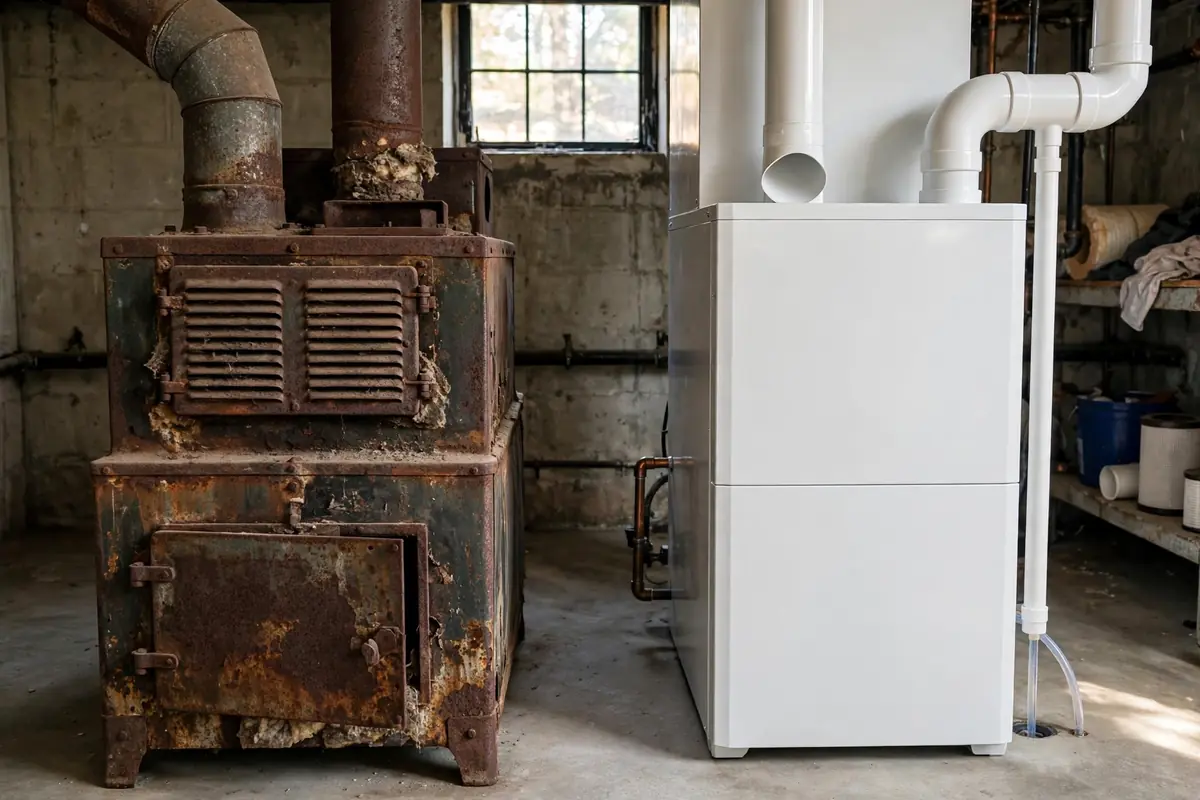
Strengths: strong, fast heat no matter how cold it gets outside. Lower operating cost during hard freezes in many cases. Long track record, and most Clarksville homes with gas service already have the infrastructure. Modern furnaces are far more efficient than the 60–70% units still running in some older homes; new federal standards push new residential gas furnaces to 95% AFUE starting in late 2028, according to the U.S. Department of Energy.
Weaknesses: it only heats, so you still need separate cooling. It needs gas service, which some streets and newer all-electric subdivisions lack. Combustion equipment needs venting, annual safety checks, and carbon monoxide detectors, full stop.
Heat Pump: Strengths and Weaknesses
Strengths: one system heats and cools. Very efficient in mild cold, which describes most of a Clarksville winter. No combustion, no gas line, no CO risk from the heating equipment itself.
Weaknesses: output and efficiency fall as temperatures drop. During defrost cycles the system briefly blows cooler air, which surprises homeowners used to gas heat. On the coldest nights, backup electric heat strips kick in, and those are expensive to run. Cold-climate heat pump models handle low temperatures better than older designs, but they cost more upfront. Our heating repair page covers heat pump service too, since many Clarksville homes run them.
| Factor | Gas furnace | Heat pump |
|---|---|---|
| Heats and cools | Heat only | Both |
| Coldest nights (teens/single digits) | Strong, steady output | Works harder; backup heat may run |
| Mild cold (30s–40s) | Efficient, but oversized for the load | Very efficient |
| Needs gas service | Yes | No |
| CO safety considerations | Yes: detectors + annual checks | None from the equipment |
| Ice-storm outages | Needs power for blower/controls | Needs power; ice can trigger defrost |
The Dual-Fuel Middle Ground
Dual fuel pairs a heat pump with a gas furnace as backup. The heat pump does the efficient work through fall and mild winter. When temperatures drop past the point where the heat pump struggles, the system switches to gas automatically. It is a popular setup in Middle Tennessee precisely because our winters straddle both regimes. The tradeoff is complexity and higher upfront cost: two systems to install and maintain instead of one.
How to Decide for Your Home
Start with what exists: ductwork condition, gas line access, electrical panel capacity, and your current system's age. Then compare installed quotes against your actual gas and electric rates, not national averages. Think about the coldest two weeks of the year, not the average week, because that is when comfort complaints happen. And get a proper load calculation, not a rule-of-thumb size.
If you are replacing a furnace, our furnace installation page explains how we size and quote. If your current gas furnace needs work, gas furnace repair may buy you years before any replacement decision. And homeowners in Sango or Rossview with newer all-electric builds often find heat pumps the natural fit. Call (931) 800-6452 and we will walk through your specific house, rates, and options with honest math.
Does a heat pump work in Clarksville, TN winters?
Yes, for most of the winter. Clarksville's January lows average in the upper 20s, which is well within a modern heat pump's efficient range. On the coldest nights, when temperatures drop into the teens or single digits, a heat pump works harder and may rely on backup heat, which costs more to run.
Is a gas furnace cheaper to run than a heat pump in Tennessee?
It depends on your local gas and electric rates, your home's insulation, and how cold the winter gets. Heat pumps are typically cheaper to run in mild cold because they move heat rather than creating it. Gas furnaces often cost less to run during hard freezes. Comparing your actual utility rates is the only way to know for your home.
What is a dual-fuel heating system?
A dual-fuel system pairs a heat pump with a gas furnace. The heat pump handles heating in mild cold, and the gas furnace takes over when temperatures drop below the point where the heat pump becomes inefficient. It is a popular setup in Middle Tennessee because it plays to each system's strengths.
Do heat pumps work during ice storms and power outages?
Neither system heats without electricity: heat pumps need power to run, and gas furnaces need power for the blower, ignition, and controls. During Clarksville's ice-storm outages, a properly sized generator can run either system. Ice buildup on an outdoor heat pump unit can also trigger frequent defrost cycles.
How do I choose between them for my Clarksville home?
Start with what you have: existing ductwork, gas line access, and your current system's age. Then compare installed cost, your utility rates, and how much the coldest weeks matter to your comfort. A load calculation and an honest conversation with a tech beat any rule of thumb. Call (931) 800-6452 and we will walk through your specific situation.